One of the most important renewable energy decisions is knowing where not to invest.
Before moving into detailed development, we examine the fundamentals that can determine whether an opportunity deserves further commitment.
That may include:
Resource — Is there enough renewable energy potential?
Location — Does the site support practical development?
Technology — Which solution fits the requirement?
Infrastructure — Are grid, transport, water, storage, or other supporting systems available?
Economics — Can the project create sustainable commercial value?
Regulation — What approvals, policies, or market rules could influence development?
Offtake & Demand — Who will use or purchase the energy produced?
Risk — What could prevent the project from achieving its expected outcome?
Looking at these questions together creates a stronger basis for investment decisions.
A renewable energy idea becomes more valuable as uncertainty is reduced.
We work across the development journey to help strengthen the project case — from initial opportunity screening and feasibility thinking to commercial assessment, regulatory considerations, investment planning, stakeholder engagement, and development strategy.
The objective is to progressively answer one question:
“Is this project ready for the next level of commitment?”
This stage-by-stage approach can help prevent capital and resources from being committed too early.
For some organisations, the best solution may not be a single technology.
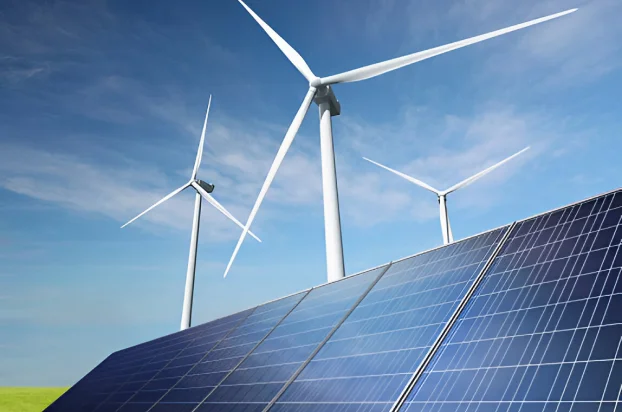
Solar combined with storage, renewable power supporting green hydrogen, or a diversified portfolio across wind, solar, and hydro may offer a stronger long-term energy strategy.
We examine how different technologies can complement each other based on energy demand, reliability, cost, infrastructure, carbon objectives, and investment priorities.
The result is an energy approach designed around the actual requirement — rather than around a particular technology.