Integrating a New Generation of Energy Technologies
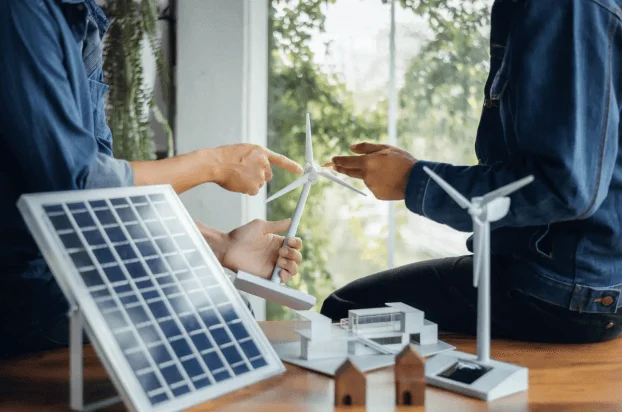
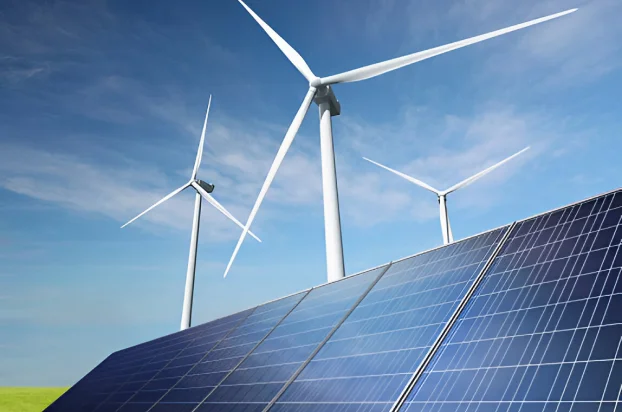
Tomorrow’s grid will need to manage a more diverse mix of energy resources.
Solar and wind introduce variable generation. Battery storage can provide flexibility. Distributed energy can change traditional power flows. Green hydrogen and electrification may create entirely new demand patterns.
The question is no longer simply:
“How much power can we generate?”
It is also:
“How do we build an energy system capable of managing that power efficiently?”
We explore how renewable energy, storage, digital technologies, and emerging energy solutions can fit into existing and future infrastructure.
Find the Infrastructure Bottleneck Before It Becomes a Project Problem
Large energy projects often depend on infrastructure outside the project’s immediate boundary.
A commercially attractive project may still face challenges because of:
- Inadequate Evacuation Infrastructure
- Land or Right-of-Way Issues
- Network Upgrade Requirements
- Technology Integration Challenges
- High Supporting Infrastructure Costs
Identifying these dependencies early allows project teams and investors to make better decisions before significant capital is committed.
Put Capital Where the System Needs It Most
Energy infrastructure is capital-intensive, and investment decisions can shape performance for decades.
Instead of looking only at the cost of an individual asset, we consider the wider investment logic.
Where is additional capacity required?
Which infrastructure constraint is limiting growth?
Could upgrading an existing asset create more value than building a new one?
How could future demand change today’s investment requirement?
What impact could renewable energy and storage have on planned infrastructure?
These questions help establish clearer priorities for infrastructure investment.
Balance Reliability, Cost and the Energy Transition
The future power system needs to achieve several objectives at the same time.
It must remain reliable, become increasingly efficient, accommodate more clean energy, remain commercially sustainable, and respond to changing demand.
Focusing on only one of these priorities can create problems elsewhere in the system.
Our advisory perspective considers the trade-offs between them, helping decision-makers develop infrastructure strategies that are practical rather than purely theoretical.
Think Beyond the Next Project
Power infrastructure can remain in operation for decades. Decisions made today therefore need to consider what the energy landscape may look like years from now.
We bring future considerations into present-day planning — including demand growth, renewable penetration, storage, electrification, decentralised energy, technology evolution, and changing policy frameworks.
The objective is to avoid building infrastructure only for today’s requirements.
It is to create systems capable of adapting to tomorrow’s energy reality.